• Spend HK$2,000 to get complimentary shipping.

2002 Champagne Dom Pérignon, Rosé, Brut
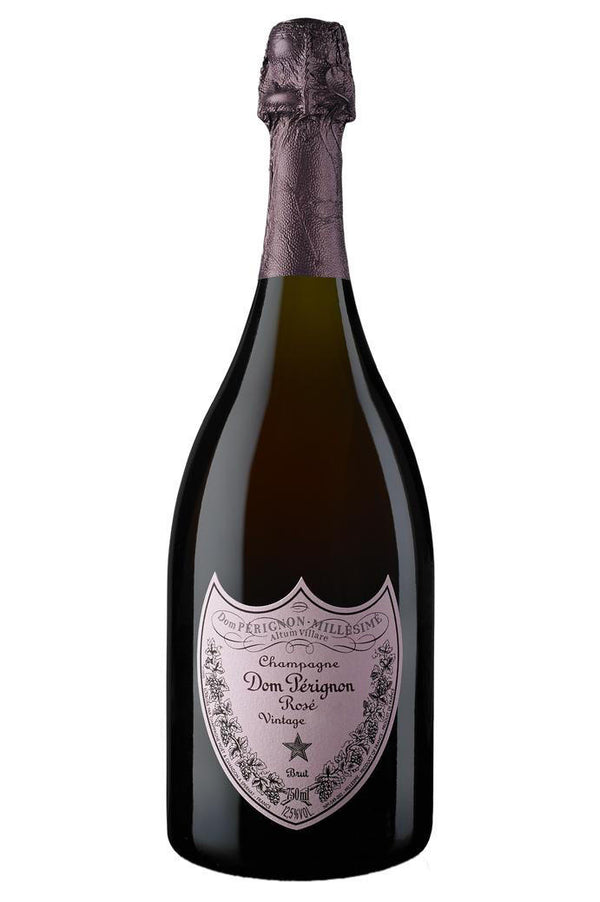
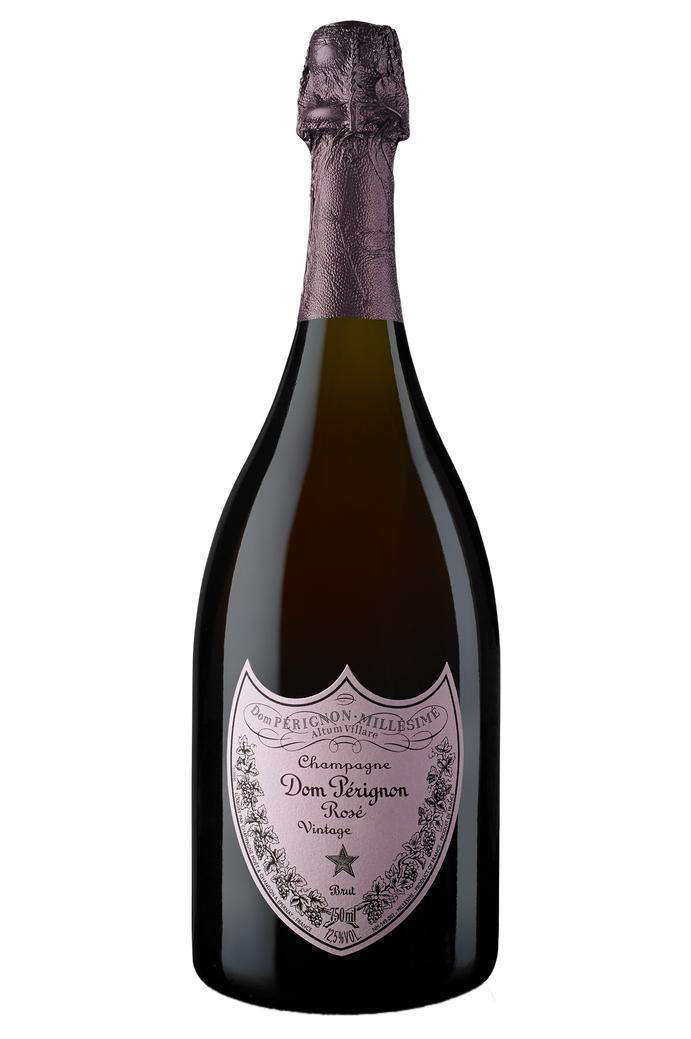
2002 Champagne Dom Pérignon, Rosé, Brut
Rosé • Champagne blend
Ready - mature
Burghound 95/100
Antonio Galloni, Vinous 98/100
Ian D'Agata, Vinous 97+/100
Josh Raynolds, Vinous 95/100
Jancis Robinson MW 20/20
James Suckling 99/100
Log in to add to wish list
Code: 2002-0750-00-8016089
Description

This is an incredible rosé with super fine tannins that are layered and caress the palate, giving this Champagne an incredible mouthfeel. Iron and stone in the nose. Iodine. Dried flowers as well as dried strawberries and peaches. It's full-bodied but not overpowering and shows super complexity. Chalky sensation as well. A truly great wine for the table. You sip and fall in love. Aged all this time in the cellar of Dom Perignon. 

Drink or hold

James Suckling, JamesSuckling.com (August 2023)

  • Colour
    Rosé
  • Vintage
    2002
  • Maturity
    Ready - mature
  • Grape
    Champagne blend
  • Producer
    Dom Perignon
Critics reviews
Burghound 95/100
Antonio Galloni, Vinous 98/100
Ian D'Agata, Vinous 97+/100
Josh Raynolds, Vinous 95/100
Jancis Robinson MW 20/20
James Suckling 99/100

Dom Perignon

Dom Pérignon was the 17th century Benedictine monk who has gone down in history as the person who "invented" Champagne. His name was originally registered by Eugène Mercier. He sold the brand name to Moët & Chandon, which used it as the name for its prestige cuvée, which was first released in 1937.
A rigorous selection process in both the vineyard and winery ensures that only the best grapes go into Dom Pérignon champagne. Chardonnay and Pinot Noir are used in roughly equal proportions without one variety dominating the other. In its youth, Dom Pérignon shows incredibly smooth, creamy fruit with perfect balance and weight. As it ages, it takes on wonderfully toasty aromas and a finesse equalled by very few of the other Grandes Marques.

Since 2014 Dom Pérignon has no longer been using the term oenothèque for its late-release Champagnes, but the word Plenitude. This style represents Dom Pérignon champagne that is left in contact with its lees and does not evolve in a linear fashion, but ages in a series of stages, producing “windows of opportunity, or plenitudes” when the Champagne can be disgorged and released to bring consumers a different expression of the same vintage.

There are three plenitudes in the life of a given vintage: the first plenitude spans between seven to eight years after the vintage, which is when Dom Pérignon Vintage is released, while the second one arrives between 12 and 15 years – which was previously the first oenothèque release, but from now will be branded as P2. The third window comes after around 30 years, when the Champagne has spent more than 20 years on its lees, which will now be termed as P3.

Need help?
Please contact us from the contact form