Mosel
The Mosel wine region is one of the most prestigious in Germany, home to over 6,400 wine growers cultivating 88 million vines across 10,400 hectares. Once known as Mosel-Saar-Ruwer, the region was officially renamed Mosel in 2007, yet it continues to be celebrated as one of the finest terroirs for Riesling in the world. Riesling dominates the vineyards, making up 58% of plantings, while Müller-Thurgau, Elbling, Kerner, and other German varieties fill out the rest.
The Mosel River meanders nearly 250 km from the ancient Roman city of Trier to Koblenz, winding through steep, slate-covered slopes. The river divides the region into three distinct sections: Upper, Middle, and Lower Mosel, each producing wines with unique characteristics.
The Upper Mosel, encompassing Trier and the Saar and Ruwer tributaries, is known for intensely fruity wines with high acidity and low alcohol, typically between 6% and 9%. The Middle Mosel, stretching from Zell to just north of Schweich and passing the famed villages of Bernkastel and Piesport, produces some of the most celebrated Rieslings in the world. The slate soils here give the wines remarkable minerality, and many can age gracefully for over 50 years.
The Lower Mosel, from south of Koblenz to Alf, is celebrated for wines that combine vibrant fruit flavors with minerality and often a hint of effervescence. Late-harvest styles and Eiswein are particularly prized, with their intense sweetness balanced by crisp acidity.
Steep vineyard slopes, some reaching a 70-degree gradient, make mechanical harvesting impossible, requiring seven times more manual labor than flatter regions. Despite these challenges, Mosel wine remains accessible and highly regarded, making the Mosel wine region a true jewel of German wine.
-
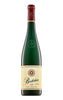
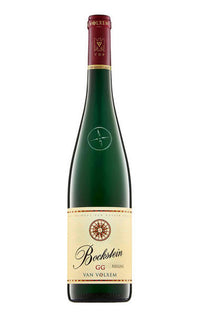 Mosel2019 Riesling, Bockstein, Grosses Gewächs, Van Volxem, Mosel, GermanyReady - youthful
 -
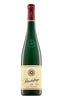
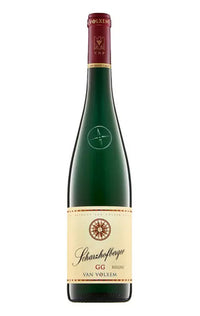 Mosel2020 Riesling, Scharzhofberger, Grosses Gewächs, Van Volxem, MoselNot ready
 -
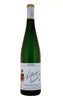
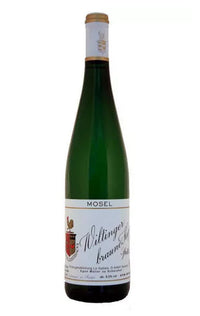 Mosel2017 Riesling, Spätlese, Wiltinger Braune Kupp, Egon Müller, MoselNot ready
Showing 1–3 of 3 items
24 Products per page